
Song Dynasty (468 AD)
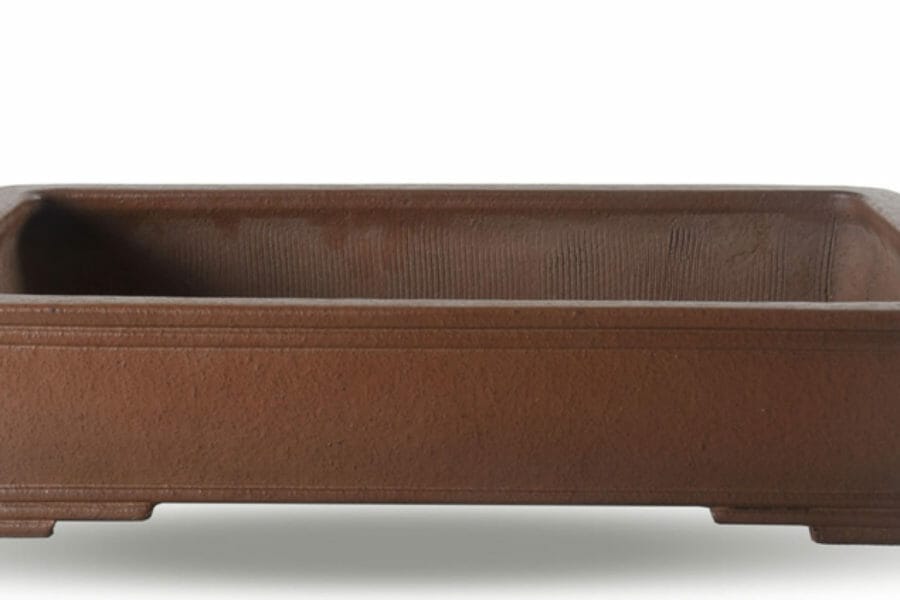
In the late Song Dynasty (468 AD), pots began to be planted. The first bonsai pots were made of porcelain and some did not yet have drainage holes. Yixing, on the western shore of Tai Hu Lake, was a well-known pottery province in China at the time and still is today. The first unglazed bonsai pots were also made in Yixing.
Yamato era (538. AD)
The history of the Japanese bonsai bowl began several centuries later. During the Yamato era (538 AD), the simple art of pottery came to Japan from China along with Buddhism. There is a scroll from the Kamakura period (1192-1319 AD) which shows a group of trees and grass planted in a shallow bowl. In Japan, this depiction is regarded as evidence of the beginning of bonsai culture.
Period (1400 AD)
The oldest potteries in Japan were built during the Muromachi period (1400 AD) in Tokoname, Shingaraki, Tanba, Echizen and Seto. They are called the six ancient potteries of Japan. During the Edo period (1603-1867 AD), trade with foreign countries was restricted by the ruling shoguns of the Tokugawa dynasty. During this time, potteries sprang up all over Japan and were given the names of the regions they came from.
Meji era (1868-1911 AD)
The Meji period (1868-1911 AD) was the peak of the import of Chinese antique bowls to Japan. In the meantime, however, the demand was greater than the supply, so people in Japan began to produce bonsai pots themselves. The Japanese established their own rules for determining the length and height of a bonsai pot.
The height of the bowl is determined by the diameter of the stem base. The Chinese bonsai pots are more oriented towards the root volume of the tree. So rather deeper and larger than Japanese bowls. For the bonsai work of art, the bowl is of exactly the same importance as the tree. Both together form a unit, but if one of the two stands out, this unit is disrupted and no longer corresponds to the overall picture.
As long as a bonsai is in the development phase, the exact adaptation of the tray is of secondary importance. However, as soon as the bonsai’s shape and proportions have been finalized, it should be planted in a suitable pot.
Old Japanese bonsai pots
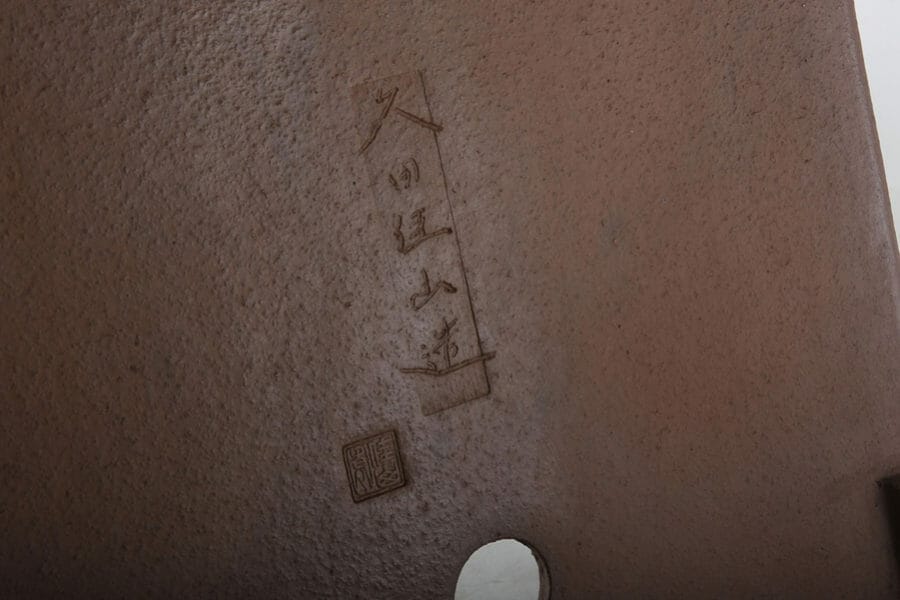
The seal embossed on the underside of each handmade bonsai pot shows who made it and from which pottery.